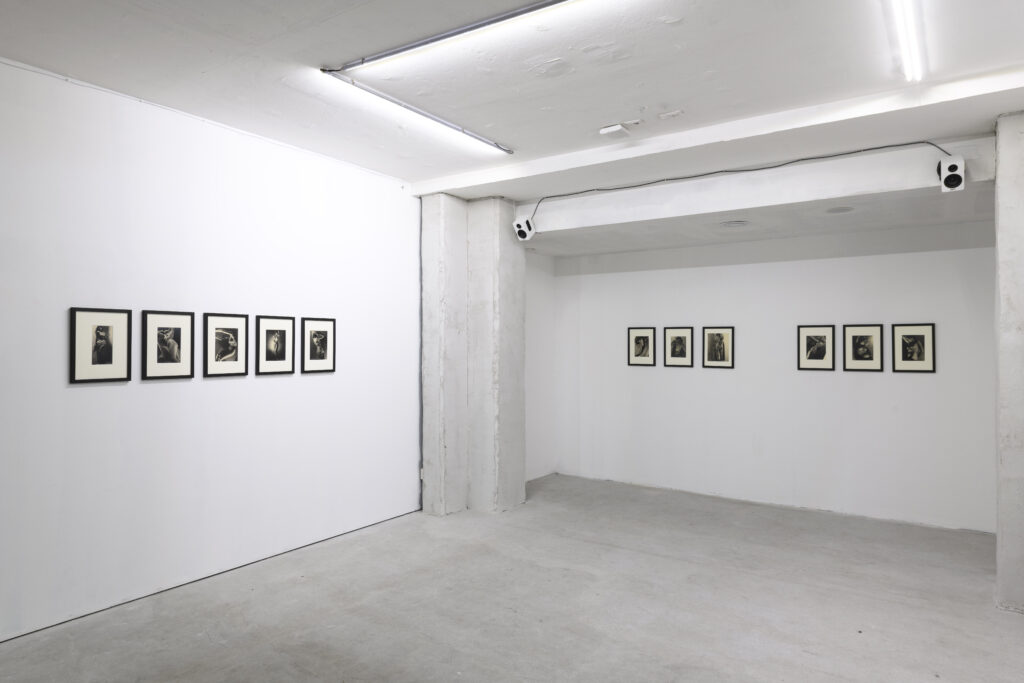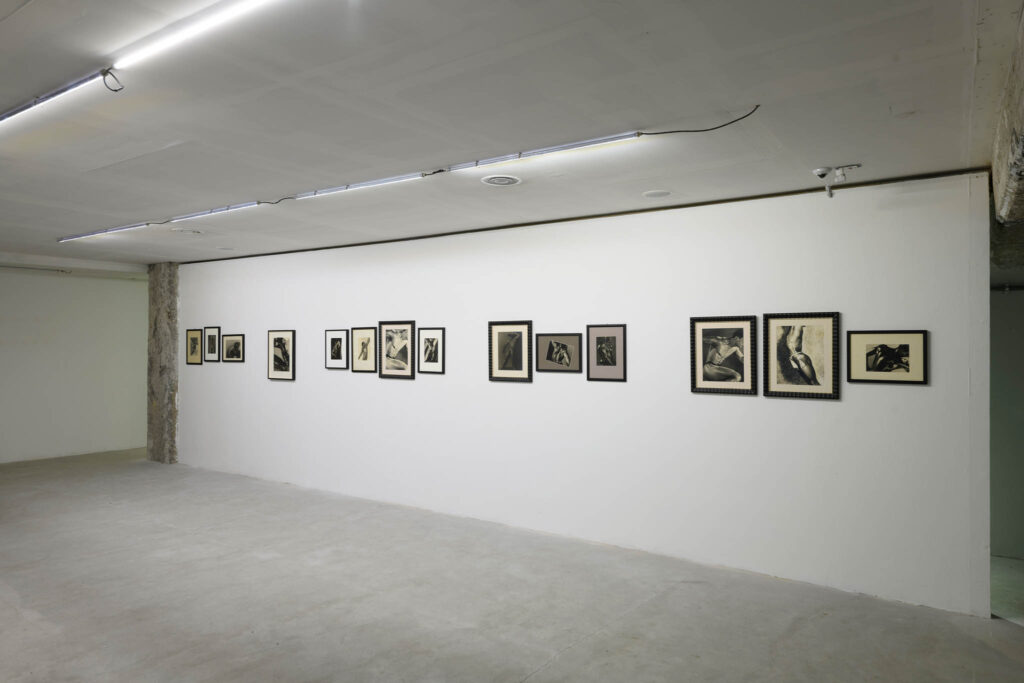
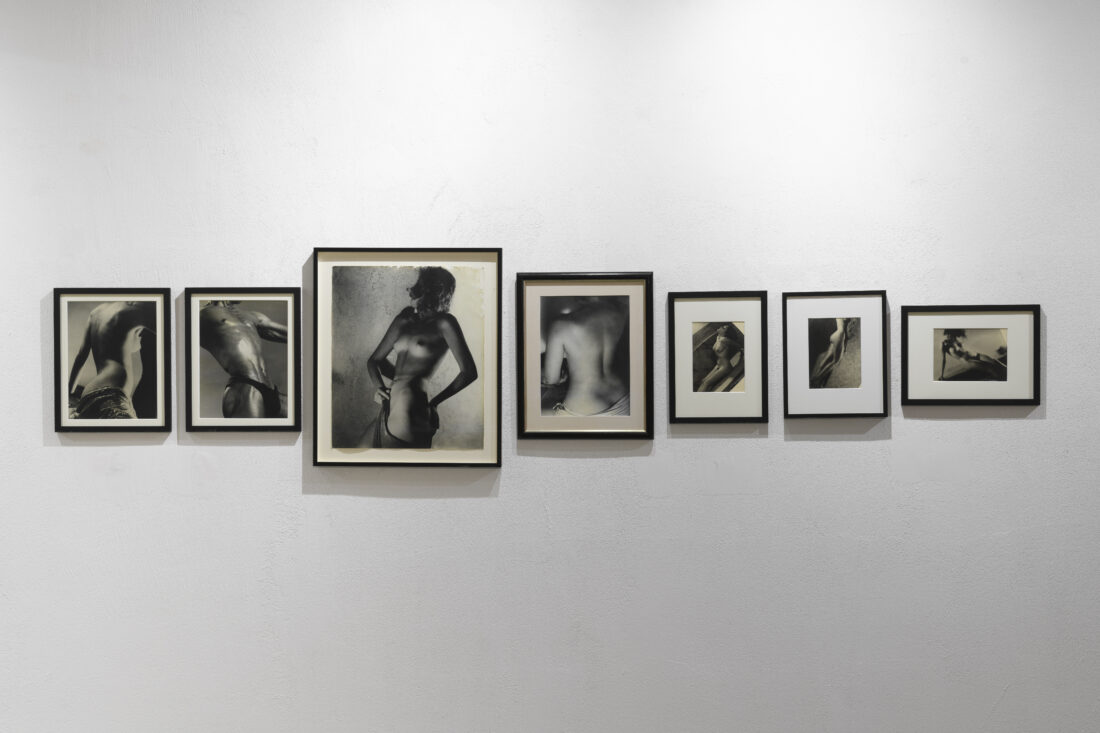
Luxardo. Corpi Nudi
September 17-January 22, 2026
An adopted Roman, but born in Brazil in 1908 to Italian parents who had emigrated to South America, Luxardo is perhaps the greatest representative of that generation of photographers who found themselves immersed in Italy in the 1930s. This was one of the most controversial periods in the history of unified Italy, in which demands for political and personal freedom encountered insurmountable obstacles, while artistic inspiration could often soar independently, crossing spaces and flying over ideologies.
Elio Luxardo’s case has a peculiarity that clearly sets him apart from his fellow Italian photographers of that era. A master craftsman of the darkroom, he arrived in Rome in 1932 and grew professionally during the period when the Cinecittà film studios were being developed. He was able to cultivate his talent by portraying the actors and actresses of that era, remembered as the ‘Cinema dei telefoni bianchi’ (1936–1943).
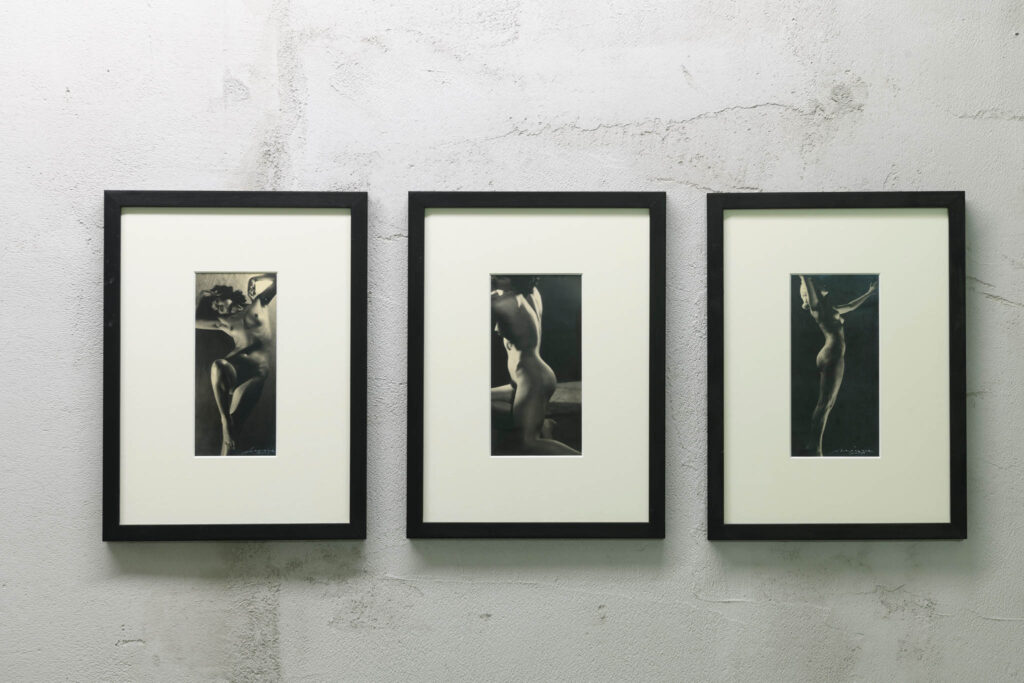
But it is perhaps his desire to retreat into a sort of intimate bubble in his studio that allows him to develop his creative flair to the fullest, confining his work to a fascinating and intense mise en scène, from which he has been able to extract a brilliant core of images dedicated exclusively to nude photography. The exhibition brings together this intimate collection of original photographs from the early 1930s, never intended for commercial use, which reveal a unique and captivating interplay of light and shadow.
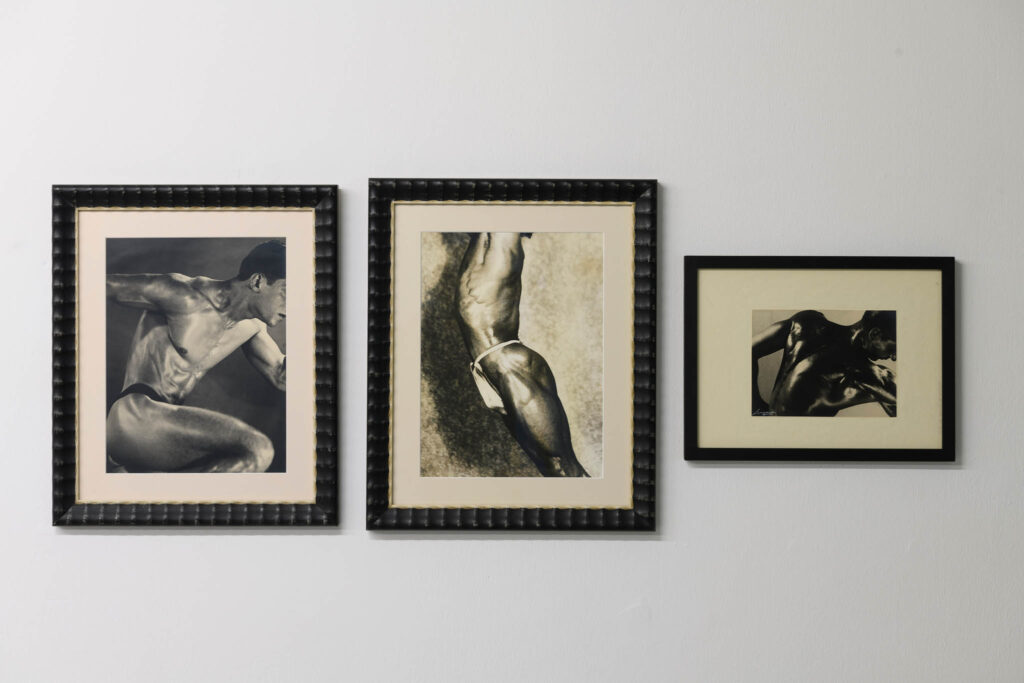
Enchanted by Greek and Roman sculpture, the male nude alternates admirably with the female nude, in a comparison that reveals the clash between two different social and cultural identities. On the one hand, an involuntary process of acculturation and observance of the dogmas of the time; on the other, a tangible glimpse of his youthful spirit, when, as an excellent athlete and dreamer artist, he was immersed in the suspended lightness and myth of the Brazilian atmosphere. The temperament and vigour of man, so virile and distinctive, are immediately apparent in the representation of the male nude, but that heroic strength also interfaces and intertwines with the elusive eroticism of the female nude, a woman’s body so far removed from the rhetoric of “home, country, family” and the icon of the “angel of the hearth”.
An existential double game that will cause his original nude photographs to disappear, swallowed up in the hidden layers to which history has accustomed us.
During the 1930s, his women were too pin-up, while after the Liberation, his men were too tied to the stylistic canons of the previous decade. But as time passed, concealing and sealing away those original, powerful and seductive images, they finally re-emerged, finding light and visibility for a significant tribute to the artist.